

Greenville, SC
August 8 & 9, 2025
Westin Poinsett Hotel
120 S Main St
Greenville, SC 29601
Image courtesy of WikiMedia Commons

Getting Growth Right in the Carolinas
Classical Liberalism: A political and moral philosophy based on the rights of the individual, equality, liberty, and consent to be governed.
Concept and Goals
The Carolinas have been growing rapidly, with recent statistics showing North and South Carolina’s state GDP increasing much faster than the national average. Population, too, has been rising in the Carolinas, with South Carolina experiencing the fastest population growth rate in the nation in 2023, and North Carolina the fifth fastest. Both states are also in the top five for absolute numeric growth, with the Carolinas welcoming 230,000 net new residents in 2023. This is in line with a general trend toward faster population growth in the South than in other regions. Yet many other states have outdone the Carolinas in economic freedom scores.
Rapid growth in the Carolinas requires thoughtful consideration of the challenges for governance, jobs, infrastructure, and housing. The conference will highlight the opportunities for meeting these challenges with solutions based on classical liberal principles. Contributions will show how private and public institutions can successfully adapt to demographic and economic change in the Carolinas and other fast-growing Sunbelt states.
The 2025 CLC conference aims to draw individuals from business, academia, policy organizations, and other nonprofits for discussions related to growth and economic liberty in the Carolinas. Panel discussions and a keynote address will be topical, relevant, and stimulating, and the conference will also provide opportunities for informal conversation on classical liberal ideas.
Conference Agenda
Subject to Change
Friday, August 8th
-
-
Welcome reception sponsored by the Institute for Humane Studies.
Tickets included in registration, or can be purchased separately.Welcome and introductory remarks: Peter Calcagno, CLC President.
Special Guest - Jeanne Hoffman
Institute for Humane StudiesAI-Powered Legislative Research Built for Scholars
Your gateway to AI-powered research tools, streamlined funding, and a network of freedom-focused scholars.
Accelerate your work. Connect with peers. Secure funding—all in one place. ScholarsEdge delivers exclusive academic resources, next-generation research tools, and professional connections for scholars advancing human dignity, freedom, and flourishing.
https://www.theihs.org/scholarsedge/
Drinks and heavy hors d'oeuvres provided.
Saturday, August 9th
-
Sponsored by the Center for Public Choice & Market Process at the College of Charleston
-
What are the economic principles that we need to understand to experience genuine growth in the Carolinas? We will discuss the political processes and decisions that move us away from productive entrepreneurship to unproductive entrepreneurship, and whether we can use taxes to buy growth.
Peter Calcagno, College of Charleston
Gary Wagner, University of Louisiana at Lafayette
Joseph Stevano, Coker College
-
-
What are the regulatory barriers in the Carolinas that keep us from reaching our full potential? The panel will address issues of occupational licensing, healthcare, and other aspects of regulation that limit individuals and entrepreneurs. What progress are we making to remove these regulations, and what is on the horizon?
Shishir Shakya, Appalachian State UniversityConnor Norris, Knee Center at West Virginia University
Ethan Kelly, Knee Center at West Virginia University
-
Brief remarks by Peter Calcagno, President of Classical Liberals in the Carolinas
Updates from around the CLC Network
-
Creative Destruction and the Age of AI
John T. Dalton, Wake Forest University
Professor Dalton will talk about his recent book on the economist Joseph Schumpeter’s idea of creative destruction. Creative destruction describes when a new innovation enters the economy—the creation—and displaces the old ways of being—the destruction. Schumpeter argued creative destruction was “the essential fact about capitalism” and a main driver of economic change. The current Age of AI will affect all of us through the creative destruction it unleashes, and people throughout society need to understand the forces at work in order to better adapt to the changing economy, including in the Carolinas.
-
As population growth and industry expansion increase demand for infrastructure and energy, particularly electricity, the Carolinas are under pressure to meet surging needs. Difficult choices must be made. In the wake of the V.C. Summer nuclear reactor construction debacle, policymakers must consider looming problems with generating capacity while protecting energy consumers. Panelists will discuss how the challenge to provide infrastructure and energy can be met through the application of classical liberal principles.
Timothy Terrell, Wofford College
Stephen Frank, SC State Representative, District 20 (Greenville)
Jody Lipford, Francis Marion University
Neil Wolin, SC Policy Council
-
-
The internal migration of Americans from blue states to red states is one of the most important demographic changes of recent decades. Americans have been moving to the Sunbelt since the 1960s, but recent trends suggest there are broad political and economic factors at play rather than a desire to arbitrage real estate and take advantage of the region's climate. This panel will explore the strength of some of the economic, political, and social arguments for the accelerated flow of Americans into Republican southern and western states provided by academics, journalists, and policy practitioners.
Andrew Taylor, North Carolina State University
Alicia Plemmons, The Knee Center at West Virginia University
Will McCorkle, The College of Charleston
-
Heavy hor d'oeuvres served. Guests are welcome to socialize or may depart at their convenience.
Appreciation to Our Sponsors



Featured Speaker

John Dalton
Wake Forest University
John T. Dalton is a bibliophile, scholar, and professor of economics at Wake Forest University. He is the author of Creative Destruction: An Introduction, which is a book about how innovation both benefits and disrupts our world, or what the economist Joseph Schumpeter called creative destruction. He earned his B.A. in International Studies and German Studies from the University of North Carolina at Chapel Hill and his M.A. and Ph.D. in Economics from the University of Minnesota. He studied as a Fulbright Scholar in Vienna, Austria.
His research has appeared in numerous academic journals such as the Journal of International Economics, Economic Development and Cultural Change, Southern Economic Journal, Macroeconomic Dynamics, Journal of Economic Education, and many others. Dalton has been a visiting scholar at the Kiel Institute for the World Economy, Chinese University of Hong Kong, and Institute for Empirical Macroeconomics at the Federal Reserve Bank of Minneapolis.
You can find out more about John T. Dalton at his website. You can also find him on X at @JTDDalton.
Venue and Hotel Information
Westin Poinsett Hotel
120 S Main Street
Greenville, SC 29601
2021 Winner of Best City Center Historic Hotel by Historic Hotels of America.
The four-diamond Westin Poinsett is situated around a newly renovated downtown, just paces from more than 100 shops, restaurants, and other attractions.
While there is plenty to do in this vibrant and cosmopolitan city, The Westin Poinsett is a welcome retreat after a long day. The Piano Lounge provides a relaxing setting to enjoy dinner, a full bar and live piano music Monday-Saturday. The Spoonbread Restaurant offers contemporary breakfast and lunch fare in a casual, family-friendly setting. (adopted from visitgreenvillesc.com)
CLC has secured a group of rooms for attendees and speakers
$179+++/night
Speakers and Panelists
-

Peter Calcagno
College of Charleston
-

John T. Dalton
Wake Forest University
-

Stephen Frank
SC State Representative, District 20 (Greenville)
-

Ethan Kelly
West Virginia University
-

Jody Lipford
Francis Marion University
-

Alicia Plemmons
Knee Regulatory Research Center
-

Will McCorkle
College of Charleston
-

Conor Norris
West Virginia University
-

Shishir Shakya
Appalachian State University
-

Joseph Stevano
Coker University
-

Andrew Taylor
North Carolina State University
-
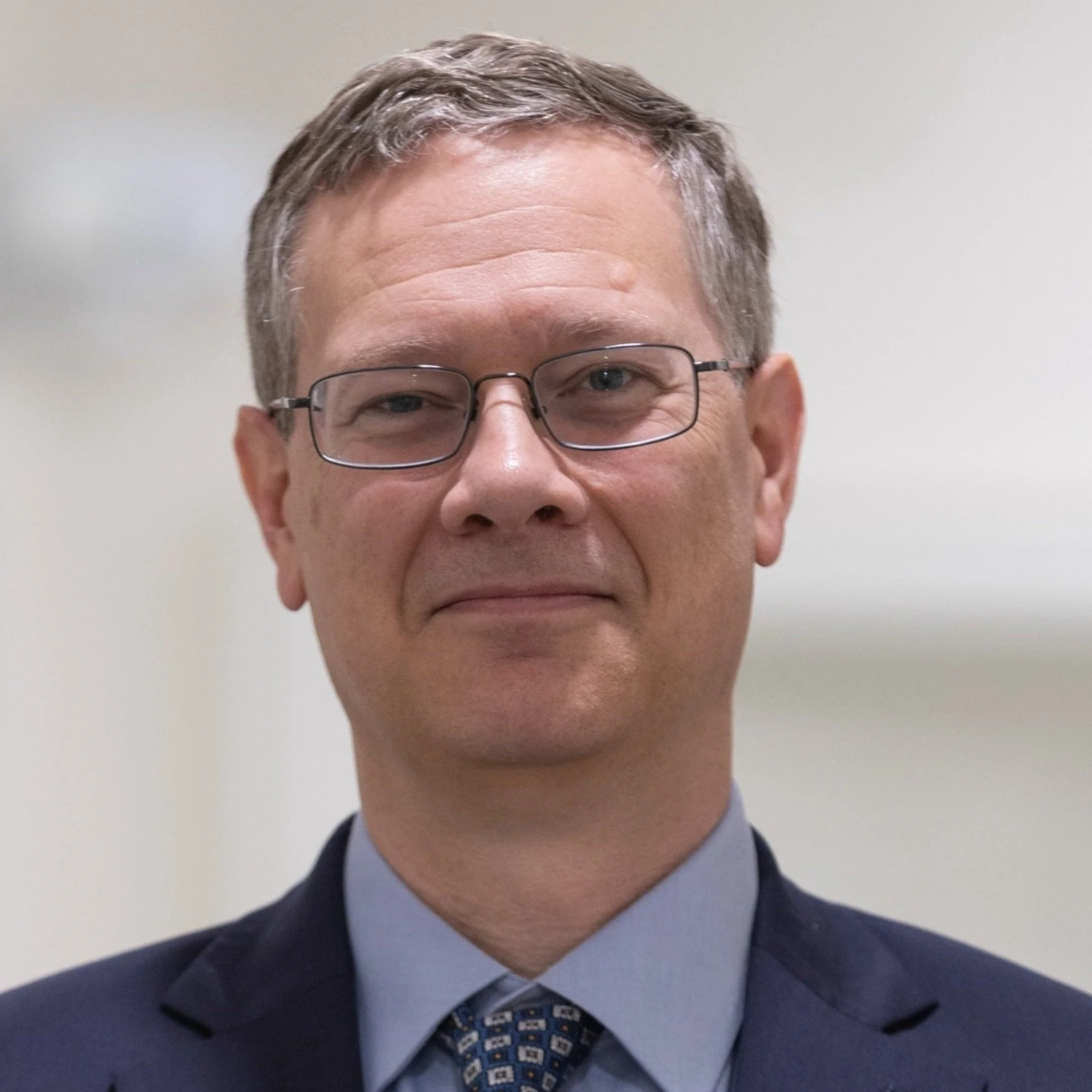
Timothy Terrell
Wofford College
-

Gary Wagner
University of Louisiana at Lafayette
-
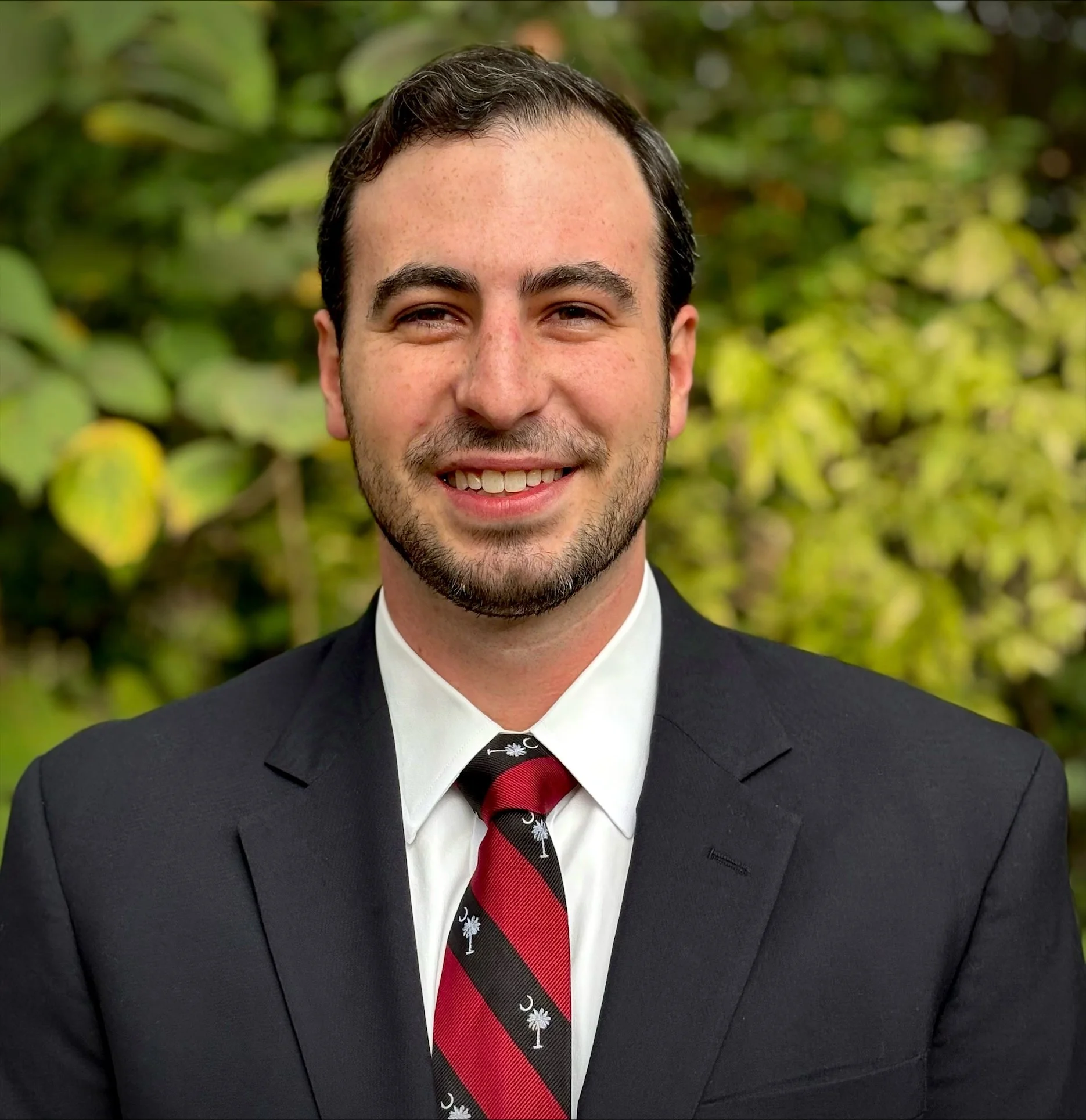
Neil Wolin
South Carolina Policy Council